

Worried about being a vegetarian in Japan? You’re not alone. It can be tricky, but with a few tips, it’s absolutely possible to have a delicious and fun culinary experience.
This guide was inspired by the wonderful story “From Namaste to Konnichiwa” by Maanyata, an exchange student from India. She successfully navigated the challenges of her diet and embraced the food culture in Japan.
Based on her experience, here is a survival guide to help you do the same!
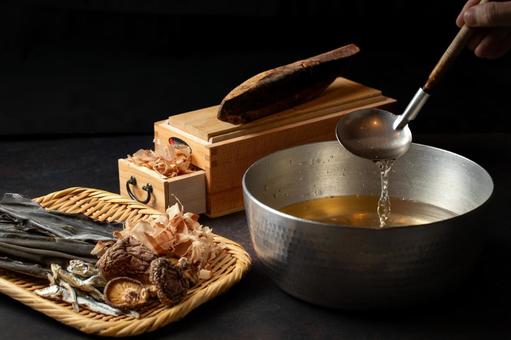
1. The First Thing to Know: Beware of “Hidden” Meat & Fish
In Japanese cuisine, many dishes that appear to be vegetarian often use dashi (soup stock) made from fish (like bonito flakes).
- Common dishes to be careful with: Miso soup, udon/soba broth, simmered vegetables (nimono).
- Solution: When ordering or when your host family is cooking, it’s safest to confirm if fish stock is used.

2. Survival Kit 1: Key Japanese Phrases
Memorizing a few simple phrases to explain your dietary needs will be incredibly helpful in restaurants.
- “I am a vegetarian.”
- (Watashi wa bejitarian desu)
- “Does this contain meat or fish?”
- (Kore wa, niku ya sakana ga haitte imasu ka?)
- “Could you please remove the meat and fish?”
- (Niku to sakana o nuite moraemasu ka?)
- “I cannot eat meat, fish, or fish stock (dashi).”
- (Niku to sakana, dashi ga taberaremasen) ← This is an advanced phrase, but it’s perfect if you can say it!
3. Survival Kit 2: Your Go-To Safe Foods
These are some common and delicious options that are often safe for vegetarians.
- Tofu Dishes: Hiyayakko (cold tofu), Yudofu (boiled tofu), Agedashi Tofu (fried tofu). Tofu is a Japanese superfood!
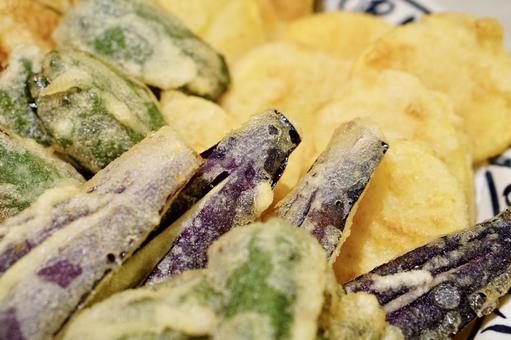
- Vegetable Tempura:
Yasai Tempura. Note that the dipping sauce often contains dashi, so asking for salt (shio) instead is a great option. - Onigiri (Rice Balls): A convenience store lifesaver. Look for fillings like Ume (pickled plum), Kombu (seasoned kelp), or Shio-musubi (plain salt).
- Simple Vegetable Dishes: Edamame, salads, and grilled vegetables are available at most restaurants, including izakaya (Japanese pubs).

4. Your Ultimate Weapon: The Supermarket & Kitchen
As Maanyata showed us, the most reliable method is to cook for yourself. Japanese supermarkets are full of fresh vegetables and vegetarian-friendly ingredients like tofu, natto, soy sauce, and miso. Sharing vegetarian dishes from your home country with your host family and friends can be a wonderful form of cultural exchange!
Being a vegetarian in Japan might require a little extra effort, but it’s also a fantastic opportunity to explore Japanese food culture more deeply. You can do it!
Don’t forget to read Maanyata’s inspiring story to see how she overcame her own challenges with food! [→ Read the Story: “From Namaste to Konnichiwa”]

Comment