

I honestly didn’t expect to be as impressed as I was by the Saga Castle History Museum! I’ve been to a few reconstructed castles in Japan before, so I wasn’t expecting anything too special. But this place really surprised me.
At first, it doesn’t look like much. There’s no big castle tower, and not many stone walls, so it doesn’t have the same dramatic look as somewhere like Himeji Castle. But don’t judge too quickly — it gets a lot more interesting once you go inside.
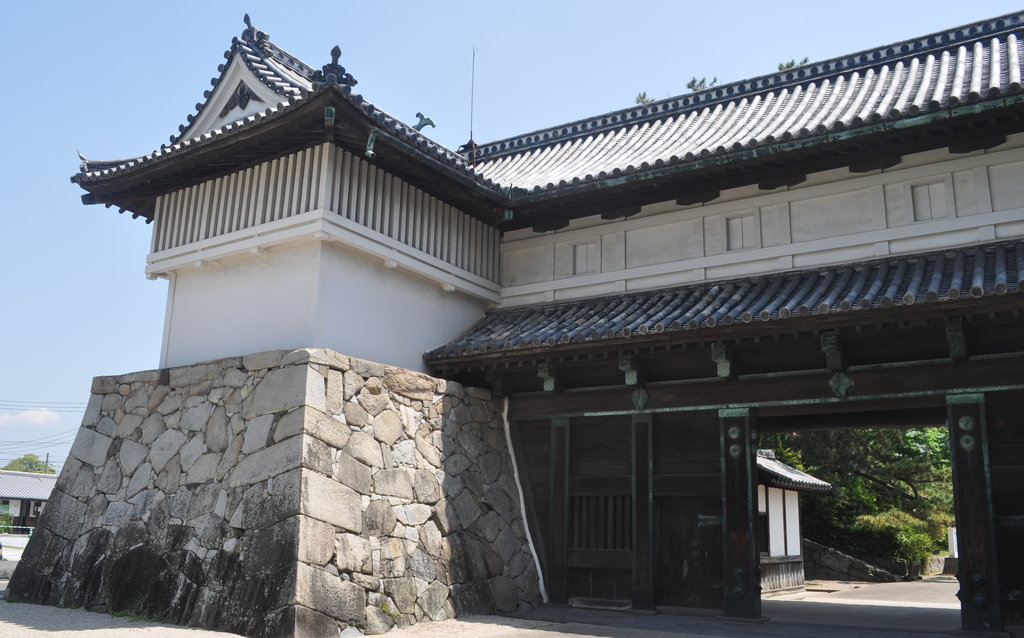
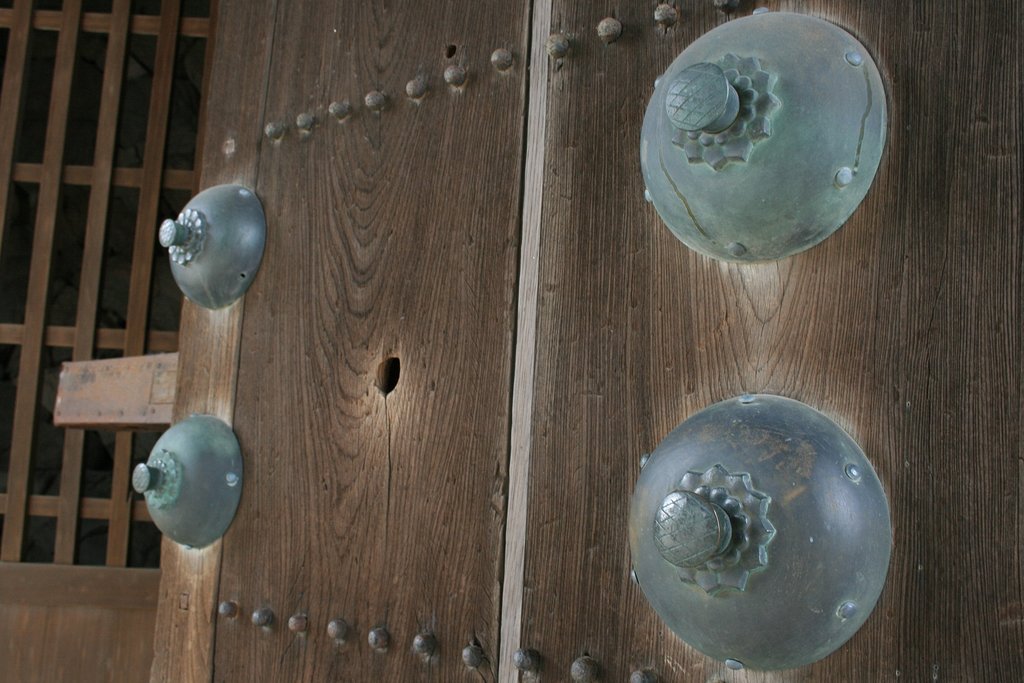
You enter through the main gate, which is actually the only original part of the castle that survived the 1800s and 1900s. If you look closely at the huge wooden gates, you can even see bullet holes from the Saga Rebellion of 1874 — how cool is that?
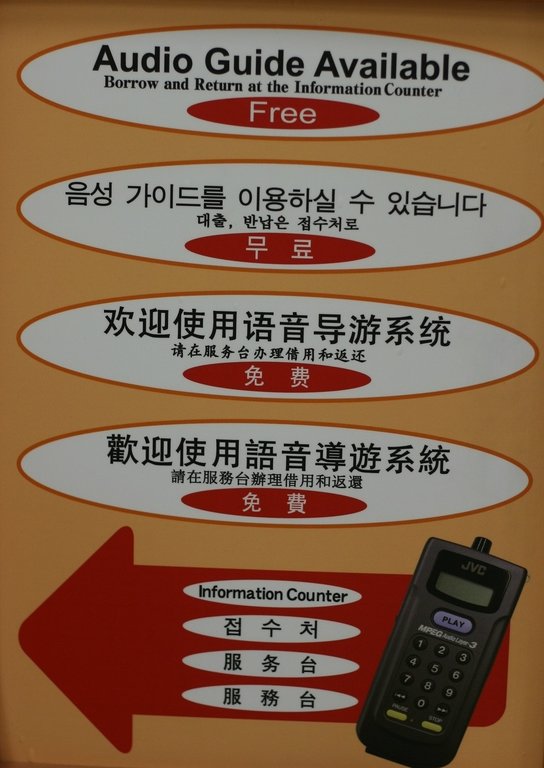
Inside, you can borrow a free audio guide (available in English, Chinese, and Korean). I really recommend using it — it’s well made and super informative. You’ll learn about the Nabeshima clan, who ruled the Saga domain, and about how the castle and museum were rebuilt.
So, why is the Saga Castle History Museum so impressive?
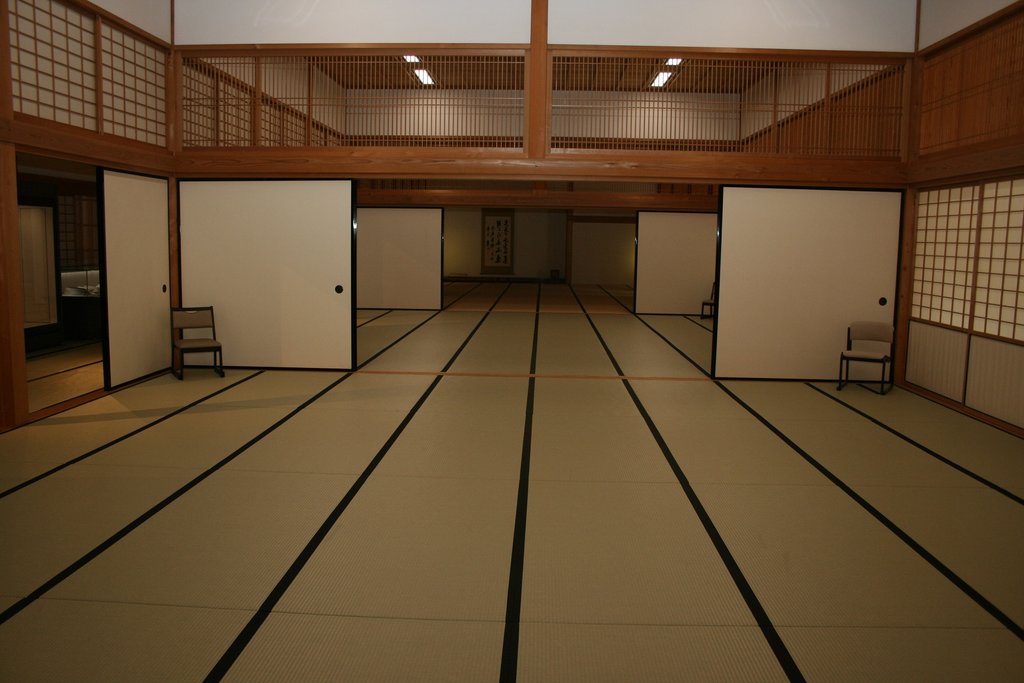
First, it’s a faithful reconstruction of the castle’s main palace (called the honmaru) as it was in the early 1800s. The museum was rebuilt in 2004 on the original site, using the old floor plans from 1838 and 100% Japanese timber. What’s amazing is that it was built almost completely with traditional techniques — no metal nails, no concrete! There’s just a small window on the floor where you can see a bit of concrete used in the foundation.
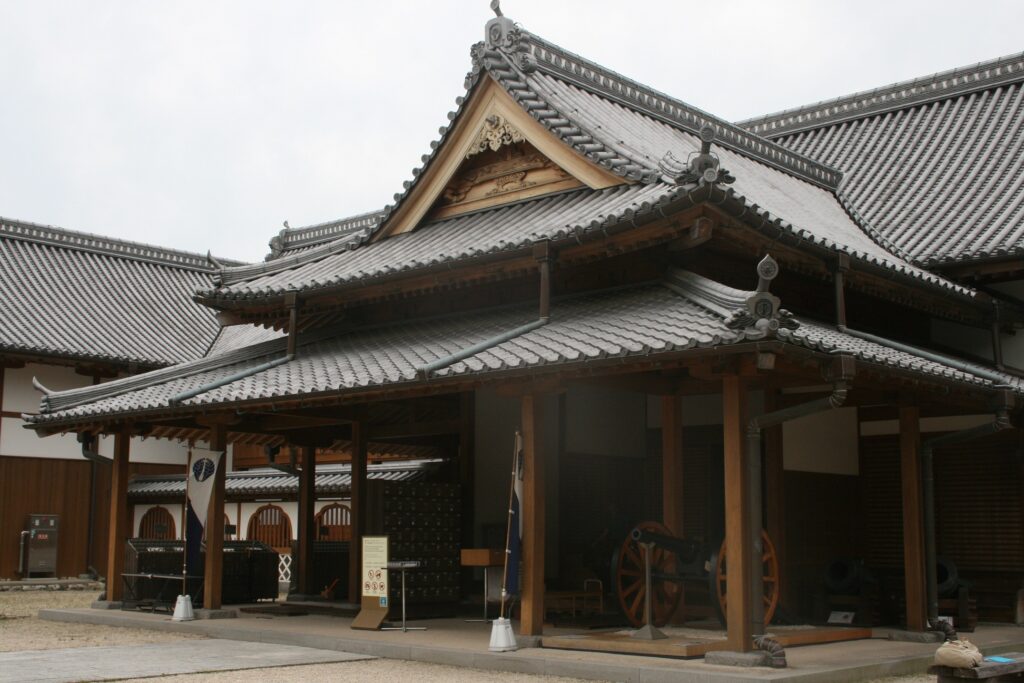
Second, it’s huge — about 2,500 square metres, with over 700 tatami mats, making it the largest wooden building in Japan.
Third, it does a great job showing Saga’s history, especially how important the area was in helping shape modern Japan.
Back in the 1600s, Saga Castle was one of Japan’s biggest and most impressive castles, with a 70-metre-wide moat, a five-story watchtower, and several palaces. Sadly, a big fire in 1726 destroyed most of it, and after being rebuilt, it was again lost in the Saga Rebellion of 1874. By the 20th century, almost everything was gone except for the main gate.
In the 1990s, archaeologists found the original foundations of the old palace, and using detailed plans from 1838, they started rebuilding it in 2001. One part of today’s museum — the Lord’s Quarters (Gozano) — is actually part of the real castle from 1838, which had been moved elsewhere in 1958 and brought back in 2004.
If you’re interested in Japanese history or traditional architecture, you should definitely visit the Saga Castle History Museum. It’s fascinating, beautiful, and full of stories. I promise — you won’t be disappointed!

Comment